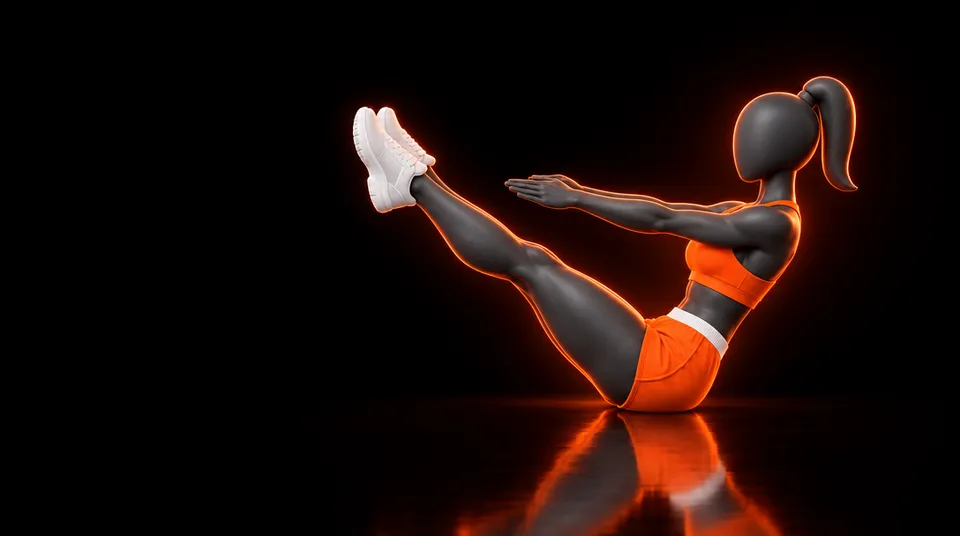
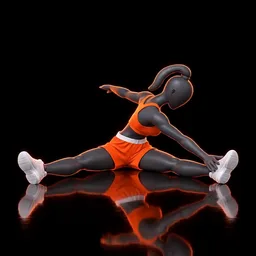
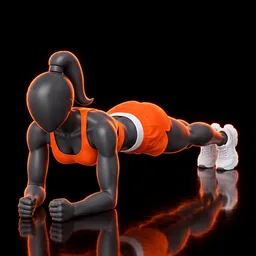
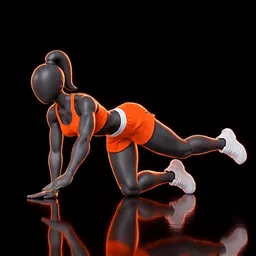
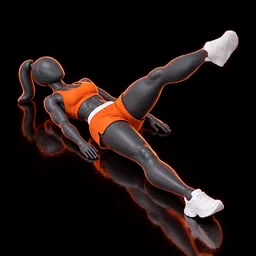
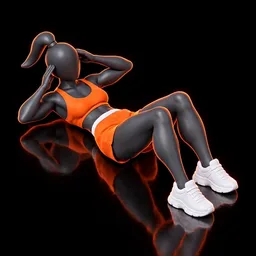
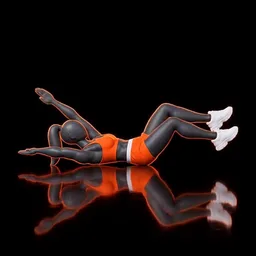
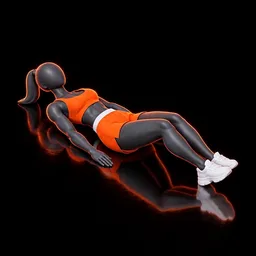
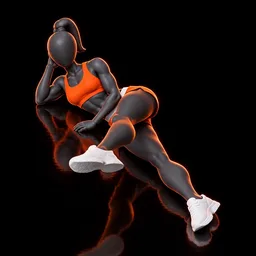
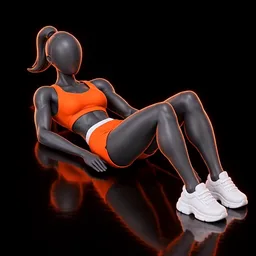
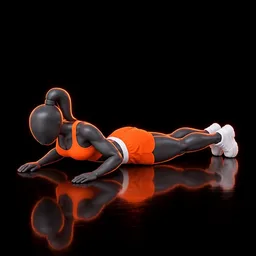
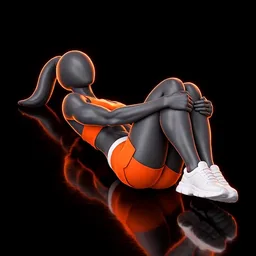
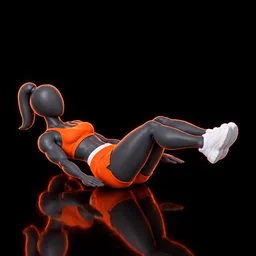
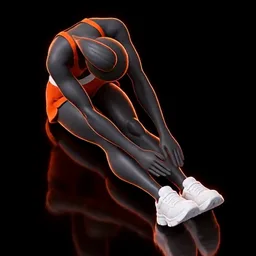
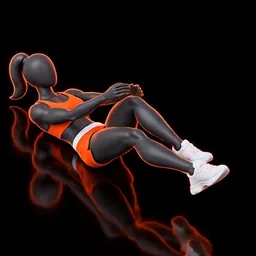
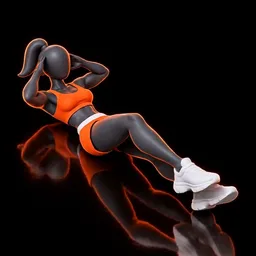
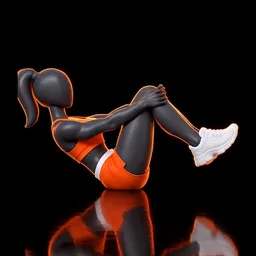
Mat pilates is a floor-based style of training built on slow, controlled moves and deep core work. This pilates workout at home takes 10 minutes at intermediate level, uses 12 different exercises and needs no equipment, just a soft surface. Calories are about about 30 kcal for a 70 kg (154 lb) person.
Who this workout is for
This routine suits anyone who wants a pilates core workout without a studio or gear. It works for beginners, because the level switch shortens the work and lengthens the rests. It also works for people who already train and want something more precise than fast, high-rep ab work.
If you are pregnant, recovering from surgery, or dealing with back, neck or hip pain, check with your doctor or physical therapist first. Several moves here, such as the Roll Up and Rolling Like a Ball, flex the spine, and some are done lying on your back. Those may need changes in pregnancy or with certain injuries. The app can swap moves that clash with injuries or missing equipment.
How to do the workout
You need a mat or a carpeted floor and about 6 feet (2 m) of space. Wear something you can move in.
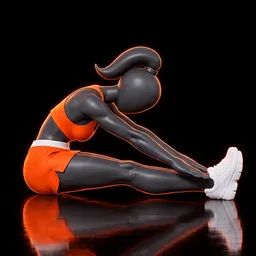
- Warm-up. Do Spine Stretch Forward, then The Saw. Move smoothly and breathe out as you reach.
- Main round. Do 1 round of the eight moves below, in order, using the reps or time for your level.
- Rest. At intermediate level, rest 15 seconds after each move. If you repeat the round, take a little longer between rounds.
- Cool-down. Finish with Swan Prep, then Knee to Chest. Breathe slowly and let your ribs and back relax.
Use the level switch above the workout for your numbers. Beginners get fewer reps, shorter work and longer rests. Advanced gets more work and shorter rests.
The exercises and what each one does
- The Hundred (40 s at intermediate): a steady breathing and abdominal endurance move. It warms up the deep core and teaches you to keep your ribs down.
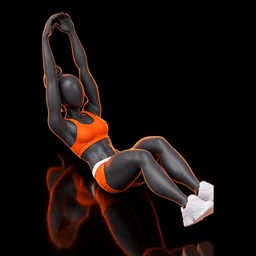
- Roll Up (6 reps): you curl up one vertebra at a time and back down. It trains abdominal control and spinal mobility. Slow is the point.
- Leg Circles (6 reps per side): the leg moves while the pelvis stays still. It challenges hip stability and core control.
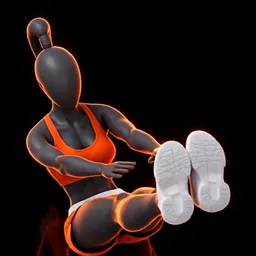
- Single-Leg Stretch (16 reps): alternating legs while the upper body stays curled. It works the abs and coordination.
- Bicycle Crunches (20 reps): a rotating crunch that works the obliques and the front of the abdomen.
- Rolling Like a Ball (8 reps): a balanced rock back and forth in a tucked shape. It builds control of a curved spine and a gentle abdominal squeeze.
- Side Kick Series (10 reps per side): done on your side, it works the hips and the trunk muscles that keep you steady.
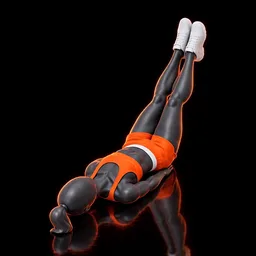
- Leg Raises (12 reps): lowering and lifting straight legs challenges the lower abdomen and hip flexors. Keep your lower back from arching away from the floor.
The cool-down brings in Swan Prep, a gentle back extension that balances all the forward curling, and Knee to Chest, which eases the lower back.
Is mat pilates enough of a workout?
For core strength, control and mobility, yes. It is a real workout when you move slowly and stay focused. It is not a full plan on its own, though. If you want broader fitness, add walking or other cardio, plus leg and upper-body strength work, on other days.
Is mat pilates like yoga?
They overlap: both use breath, control and mobility. Pilates focuses more on core-driven, repeated movements and precise form. Yoga leans toward held poses, flexibility and mindfulness, though styles vary.
How to make it easier or harder
Easier
- Switch to the beginner level for fewer reps and longer rests.
- Keep your head down in the Roll Up and Single-Leg Stretch until your neck feels comfortable.
- Bend your knees or lower your range in Leg Raises.
- Pause between reps to reset your breathing.
Harder
- Switch to the advanced level or repeat the round, resting a little longer between rounds.
- Slow each rep down by a second or two.
- Try a harder core move in place of a familiar one, such as Hollow Body Hold or Boat Pose.
How often to do it and how to progress
Start with 2 to 3 sessions a week, with a rest day between if you feel sore. For the first couple of weeks, aim to finish each move with clean form. Then add reps, a second round, or move up a level when the current one feels comfortable and controlled. A common approach is to change one thing at a time.
If you want a simpler start, try core workout for beginners. For a more classic crunch-based session, there is Ab Workout at Home.
Abdominal exercise strengthens muscles but does not burn fat from your stomach specifically. Think of this as strength and control training.
If you like seeing your form checked, Homie Fit offers a live camera form check for 83 exercises, running on your device, so no video leaves your phone.
Common mistakes
- Rushing. Speed hides weak spots. Slow down and use your breath.
- Pulling on the neck. In curl-ups, look toward your knees and lift with the abs, not the hands.
- Arching the lower back. In leg moves, shorten the range until your back stays steady.
- Holding your breath. Exhale on the effort, inhale to reset.
- Skipping the cool-down. Swan Prep and Knee to Chest balance the work. Do not skip them.
- Pushing through pain. Mild effort is normal; sharp or pinching pain is a signal to stop.
What are Pilates mat exercises?
They are moves done on the floor with body weight, such as the Hundred, Roll Up, Single-Leg Stretch and Rolling Like a Ball. Most focus on the core, with attention to alignment and breath. This routine uses several of them.