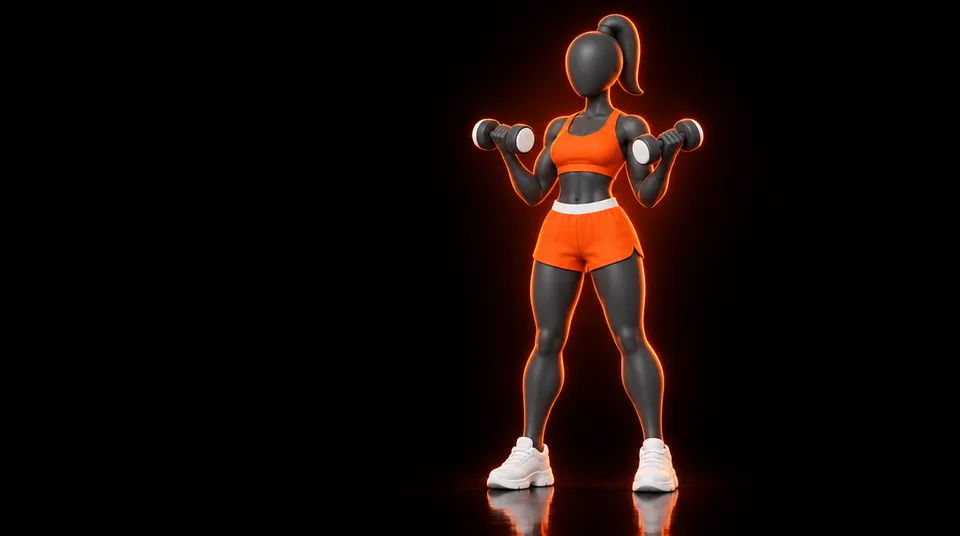
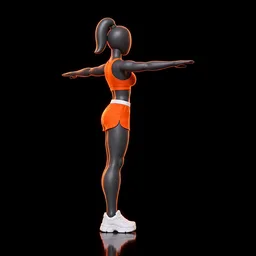
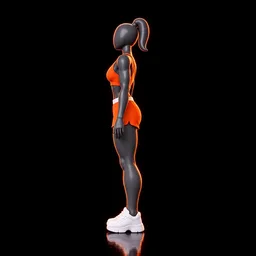
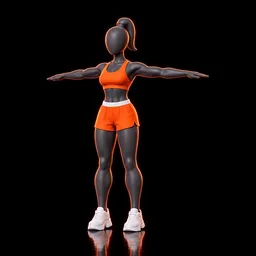
A dumbbell arm workout does not need a gym. This one pumps your biceps, triceps and shoulders in 20 minutes at intermediate level, with a short warm-up, 3 rounds of 5 moves and a cool-down. It needs no equipment, and you can hold dumbbells for extra challenge. It burns about about 63 kcal for a 70 kg (154 lb) person.
Who this arm workout with dumbbells is for
This session suits anyone who wants stronger, more capable arms and shoulders at home. The level switch above the workout changes the reps, work time and rest, so beginners and advanced trainers can both use it.
- Beginners get fewer reps, shorter work and longer rests.
- Intermediate is the standard version listed above.
- Advanced trainers get more reps, longer work and shorter rests.
If an exercise clashes with an injury, or you are missing equipment, the app can swap it for a move that fits. If you feel sharp pain in a joint, stop and check with a health professional before continuing.
A note on goals: arm exercise builds strength and muscle in the arms. It does not burn fat from the arms specifically. Where your body stores or loses fat is not something a single workout can choose.
How to do the workout, step by step
- Warm up. Do Arm Circles, then Shoulder Rolls. Spend about a minute on each, starting small and getting bigger. Your shoulders should feel loose and warm.
- Start round 1. Work through the five main moves in order: Arm Pulses for 40 seconds, Triceps Dips for 12 reps, Pike Push-Ups for 8 reps, Knee Push-Ups for 10 reps and Doorframe Row for 12 reps.
- Rest after each move. At intermediate level, rest 30 seconds. Shake out your arms and sip some water.
- Rest a little longer between rounds. Take an extra breather after the fifth move before you begin again.
- Repeat for 3 rounds in total. Keep your form tidy even when you tire. If your technique slips, shorten the set rather than rush.
- Cool down. Finish with the Overhead Triceps Stretch and the Chest Opener. Breathe slowly and hold each stretch without bouncing.
The exercises and what each one does
Warm-up
- Arm Circles: Warm the shoulder joints and the muscles around them.
- Shoulder Rolls: Loosen the upper back and neck area so your shoulders move freely.
Main circuit
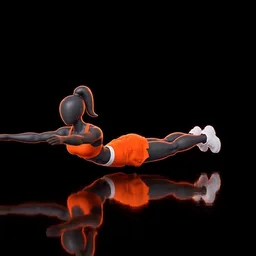
- Arm Pulses (40 seconds): Small, quick pulses that keep the shoulders and arms under tension. Hold light dumbbells if you have them. Keep your ribs down and neck relaxed.
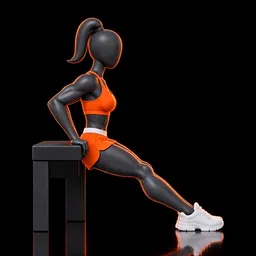
- Triceps Dips (12 reps): Works the back of the upper arm. Keep your elbows pointing back and your shoulders away from your ears.
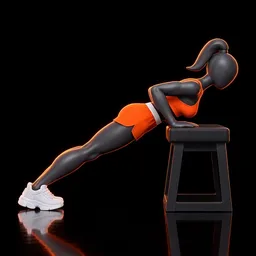
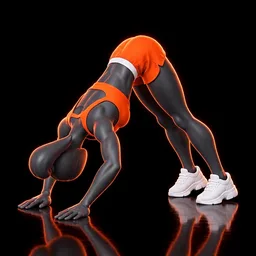
- Pike Push-Ups (8 reps): Hips high, head moving toward the floor. This targets the shoulders and triceps.
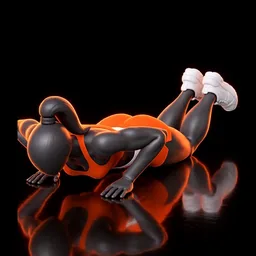
- Knee Push-Ups (10 reps): Train the chest, triceps and front shoulders with a body position you can control.
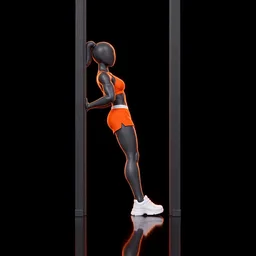
- Doorframe Row (12 reps): A pulling move that works the upper back and biceps, balancing all the pushing in the circuit.
Cool-down
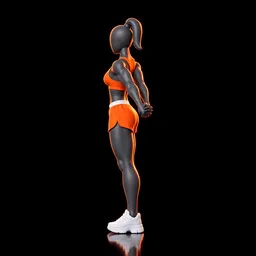
- Overhead Triceps Stretch eases the back of the upper arm. See the guide for Overhead Triceps Stretch.
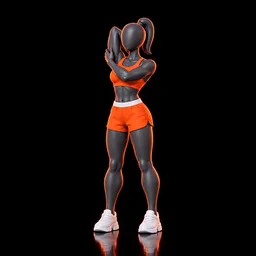
- Chest Opener stretches the front of the shoulders and chest after all the pushing.
Adding dumbbells
The circuit uses body weight for most moves, so dumbbells are optional. If you want a true dumbbell arm exercises session, use light weights for Arm Pulses and try classic additions after the circuit, such as Dumbbell Biceps Curls or Hammer Curls. Pick a weight that lets you finish 10 to 12 clean reps with the last two feeling challenging.
How to make it easier or harder
Easier
- Switch the level to beginner for fewer reps and longer rests.
- Do 2 rounds instead of 3.
- Make Triceps Dips shallower, with your feet closer to your hips.
- Skip dumbbells in the pulses.
Harder
- Switch to advanced for more reps, longer work and shorter rests.
- Hold dumbbells during the Arm Pulses.
- Slow each rep down, taking about 3 seconds to lower.
- Add a fourth round when the three feel comfortable.
- Try Diamond Push-Ups for extra triceps work once Knee Push-Ups feel easy and you can do standard push-ups with good form.
Change one thing at a time so you can tell what is working.
How often to do it and how to progress
A common starting point is 2 or 3 arm sessions a week, with at least one rest day in between. Muscles grow and recover during rest, so more is not always better.
A simple progression over the weeks:
- Weeks 1 and 2: Learn the moves at beginner or intermediate level. Focus on clean form.
- Weeks 3 and 4: Add a few reps to the rep-based moves, or shorten rests.
- After that: Add a round, add weight, or move up a level.
This is a starting point. If you are sore for several days or your form gets sloppy, ease back.
For more variety, try the arm workout at home or the upper body workout at home on other days.
Is 4 exercises enough for an arm day?
For most people at home, yes. Four or five well-chosen moves, covering biceps, triceps and shoulders, for 2 to 3 sets each is a solid session. This workout uses five moves across 3 rounds.
What is the 3-3-3 rule for dumbbells?
It is not a fixed standard, and versions vary. A simple way to use the idea: pick 3 moves, do 3 sets, and aim for a steady controlled pace. Treat it as a loose guide, not a rule.
Can I build arms with just dumbbells?
Yes, for many people. Curls, presses, extensions and rows cover the arm muscles. Use a weight that feels challenging by the last reps, and add load or reps gradually.
The 5 best dumbbell arm exercises
There is no single list, but a balanced set might be: biceps curls, hammer curls, overhead triceps extensions, shoulder presses and lateral raises. Guides: Dumbbell Biceps Curls, Hammer Curls, Overhead Triceps Extensions, Dumbbell Shoulder Press and Lateral Raises.
Common mistakes
- Swinging the weight. If your back or hips are helping, the weight is too heavy. Lower it and slow down.
- Shrugging the shoulders. Keep your shoulders down and away from your ears, especially in dips and pulses.
- Flaring the elbows. In push-ups, keep elbows at roughly a 45 degree angle from your body instead of straight out.
- Rushing the reps. Controlled lowering does as much work as lifting.
- Skipping the pulling move. Pushing alone can leave your shoulders rounded. The Doorframe Row balances it.
- Skipping rest days. Arms recover quickly but still need time.
- Holding your breath. Breathe out on the effort and in on the return.
If you want a second pair of eyes on your push-up form, Homie Fit has a live form check through your phone camera. It runs on the device, so no video or image leaves the phone.
To see how many calories different sessions burn for your body weight, try the Calories Burned Calculator for Home Workouts.