

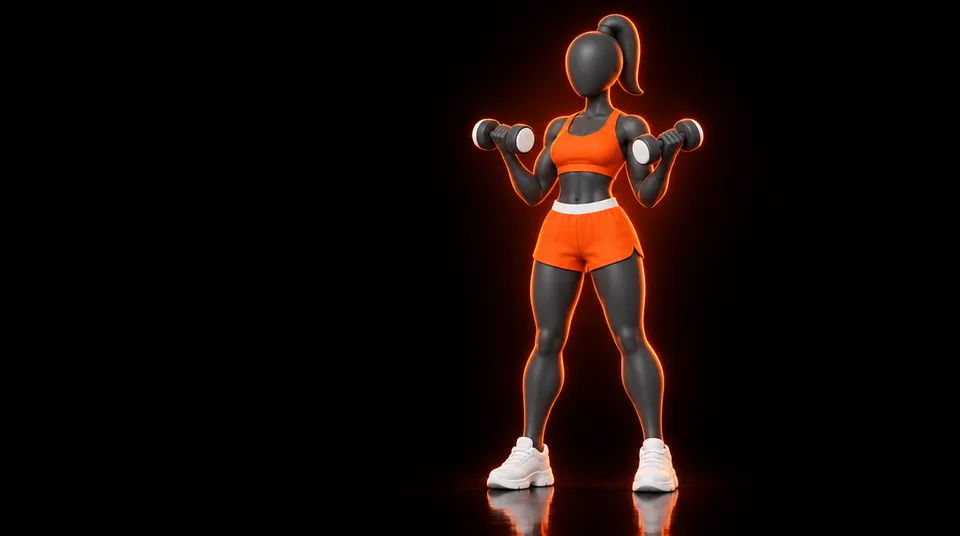
Lateral raises are a simple dumbbell exercise where you lift both arms out to the sides up to shoulder height and lower them slowly. The lateral raise trains mainly the shoulders, especially the side of the shoulder. It suits beginners and anyone who wants more shoulder strength at home with light weights.
How to do a dumbbell lateral raise
The move is easy to learn, but small details decide whether your shoulders do the work. Use light dumbbells. Start lighter than you think you need.
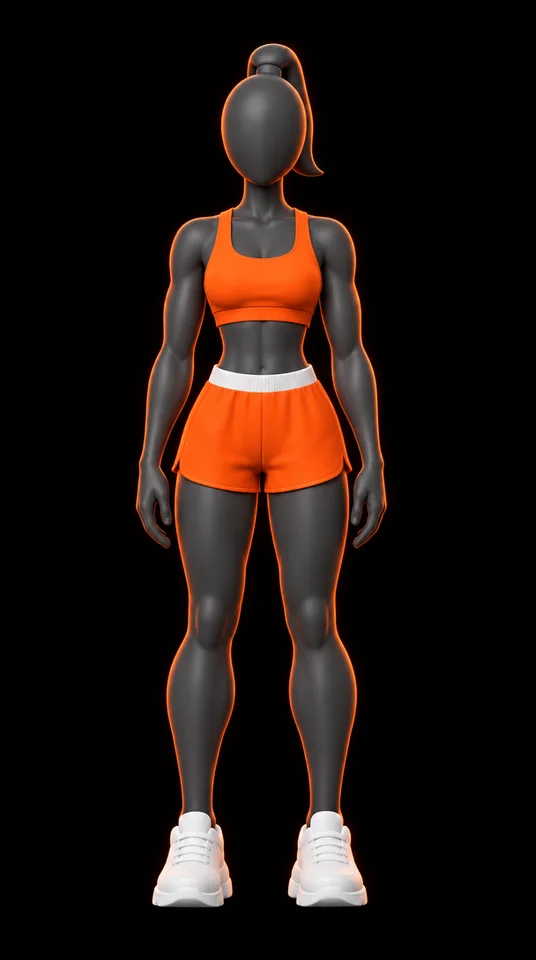
- Stand tall with your feet about hip-width apart, holding a dumbbell in each hand at your sides. Your palms face your body.
- Soften your knees a little, gently brace your belly, and keep your ribs down. Relax your shoulders away from your ears.
- Add a slight bend in your elbows and keep it the same for the whole set.
- Raise both arms out to the sides at the same time, moving in a smooth arc. Lead with your elbows, not your hands.
- Stop when your arms reach shoulder height. Your body forms a loose T shape.
- Pause for a moment, then lower the dumbbells slowly back to your sides. Take about twice as long going down as you did going up.
- Keep the dumbbells inside your line of sight, out to the sides but not drifting far behind you. Repeat for your reps.
Both arms work together, and you stay standing the whole time. There is no jumping, no swinging and no lying on the floor.
A simple rhythm to follow
Think “up for two, down for three.” Two controlled reps with a good pace will teach you more than ten rushed ones. Breathe out as you lift and in as you lower.
Muscles worked by lateral raises
The main target is your shoulders, specifically the side part of the shoulder muscle that lifts your arm out to the side. That is why the move is a favorite for building the rounded, capable look and feel of the shoulder.
Several helpers join in:
- The upper back muscles around the shoulder blades help guide and steady your arms.
- The upper trap, the muscle between your neck and shoulder, assists. It should help, not take over.
- Your core and legs keep you stable while you stand.
A note on the myth of targeting: working your shoulders builds muscle there, but it does not burn fat from that spot. Fat loss across the body does not work by body part.
Common mistakes and how to fix them
Using weights that are too heavy
This is the number one problem. The side of the shoulder is a small muscle, and heavy dumbbells turn the move into a swing. Choose a weight you can lift with a pause at the top and a slow lower. If you are asking whether 20 lb (9 kg) in each hand is a good lateral raise weight, for most people it is heavy. Many beginners do well with 2 to 8 lb (1 to 3.5 kg) per hand. Pick the weight that lets your form stay clean for the last rep.
Swinging with your body
If you lean back or bounce your knees to get the weights up, lower the weight and slow down. Stand with your back against a wall for a set if you need feedback.
Shrugging your shoulders
When your shoulders creep up toward your ears, the upper traps take over. Before each rep, gently press your shoulders down, and think about lifting your elbows rather than your hands.
Raising too high
Going above shoulder height tends to pinch the shoulder and shifts the work away from the target. Stop at shoulder height.
Locking out or bending too much
Straight, locked elbows strain the joints. A deep bend turns it into a different move. Keep a slight bend and hold it steady.
Dropping the weights fast
The lowering part builds control. Take your time on the way down instead of letting gravity win.
Easier and harder variations
This move is already rated easy in the app, so the best way to make it easier is simply to use lighter dumbbells, a smaller range of motion, or no weight at first to practice the arc. You can warm up with Arm Circles or Shoulder Rolls before you pick up the weights.
When you want a challenge, these are the next steps in the app:
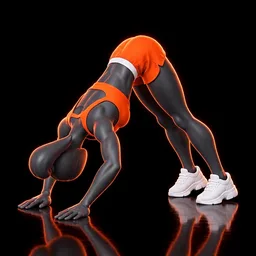
- Pike Push-Ups use your body weight to load the shoulders.
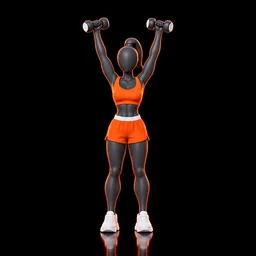
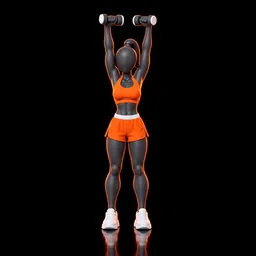
- Dumbbell Shoulder Press lets you press heavier weights overhead.
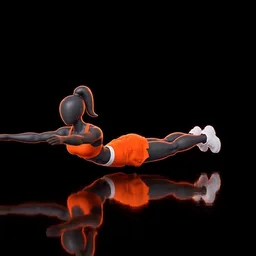
- Arnold Press adds a rotation to the press for more range.
Similar moves that work the upper body in different ways include Knee Push-Ups, Band Pull-Aparts and Reverse Snow Angels.
Sets and reps for beginners and more advanced lifters
The standard set in the app at intermediate level is 12 reps. Beginners get about a quarter less than that, and advanced people get about a third more.
As a starting point:
| Level | Reps guide | Sets | Rest |
|---|---|---|---|
| Beginner | About a quarter less than 12 reps | 2 | 45 to 60 seconds |
| Intermediate | 12 reps | 2 to 3 | 30 to 60 seconds |
| Advanced | About a third more than 12 reps | 3 | 30 to 60 seconds |
Train shoulders 2 to 3 days a week with a day between sessions. When you can finish all sets with smooth form and a slow lower, add a few reps first, and only then a small bump in weight.
For calories, 10 minutes of lateral raises burns about about 43 kcal for a 70 kg (154 lb) person (MET 3.5). Your number depends on your body and effort, and you can estimate your own with the Calories Burned Calculator.
The move appears in the Dumbbell Arms workout. For a full session, try the shoulder workout at home.
If you want feedback while you train, the Homie Fit live form check can count your reps and check your form for this exercise through your phone camera. It runs on the device, so no video or image leaves the phone.
Who should modify or skip lateral raises
The app has no limitation flags for this move, so it fits most people. Still, listen to your body:
- Sharp pain in the shoulder, especially a pinch at the top, means stop. Lower the range or the weight, or skip the move for now.
- If you are recovering from a shoulder injury, check with a health professional before adding weights.
- If you feel it mostly in your neck, drop the weight and focus on keeping your shoulders down.
- Mild muscle burn is normal. Joint pain is not.
Go at your own pace. Small, steady progress with good form beats heavy weights every time.