
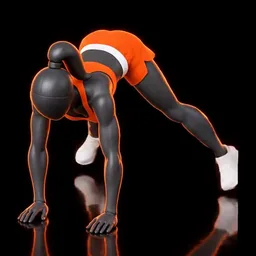
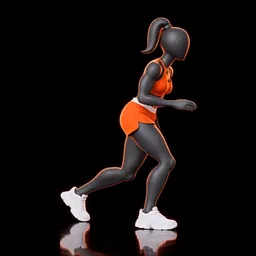
Mountain climbers are a cardio exercise done in a high plank, where you drive one knee toward your chest and switch legs quickly, like running in place on the floor. They train your abs and core, your shoulders and your heart and lungs. They suit people with some training experience who want a fast, equipment-free move.
If you searched for the mountain climber exercise, this guide covers the form, the muscles, the usual mistakes and how to scale the move up or down.
How to do mountain climbers
- Set up a high plank. Place your hands on the floor directly under your shoulders, arms straight, fingers spread. Step your feet back so your body forms a straight line from head to heels.
- Brace your core. Gently pull your belly button toward your spine, squeeze your glutes and keep your neck long, with your eyes looking at the floor between your hands.
- Drive one knee in. Pull your right knee toward your chest while your left leg stays extended straight behind you.
- Switch legs. Send the right leg back and bring the left knee in at the same moment. The legs alternate continuously, like sprinting on the spot. Both legs are never back at the same time.
- Find a fast, steady pace. Aim for quick, controlled switches. Your hands stay planted, your hips stay level and your shoulders stay over your wrists.
- Breathe. Breathe in and out in a steady rhythm. Do not hold your breath.
This is a no-jump version. Your feet barely leave the floor, and you never lie down. Both sides work in one continuous flow.
Muscles worked
The main target is your abs and core. They work hard to keep your torso from sagging or twisting while your legs move. Your shoulders also work, because they hold your upper body up in the plank. The fast pace gives you a cardio challenge as well.
Your hip flexors do the knee-driving work, and your glutes and legs help keep your body steady. Training your core this way builds strength, but it does not burn fat from your belly specifically. Fat loss does not happen in one spot.
Calories and effort
For a 70 kg (154 lb) person, 10 minutes of work comes to about about 98 kcal, based on a MET of 8. Your own number will vary with your body size and pace, so treat it as a rough guide.
Common mistakes and how to fix them
Hips bouncing up or sagging down
The app tip says it best: keep your hips low and level. If your hips pike up, slow down and squeeze your glutes. If they sag, brace your abs harder and shorten your work time.
Hands drifting forward or backward
Your shoulders should stay over your wrists. Check your hand position before each set and reset if you have crept forward.
Both legs moving together
The legs must alternate. If you find yourself hopping both feet in, slow down until one leg goes back as the other comes forward.
Rushing with sloppy form
Fast does not mean frantic. Choose a pace where you can keep your back flat and your knees moving smoothly. A shorter set with clean form beats a long one with a sagging back.
Holding your breath
If you notice this, slow down and count a breath out for every couple of switches.
Shrugging up to your ears
Press the floor away and keep your shoulder blades slightly wide, so the neck stays relaxed.
Easier and harder variations
Easier options
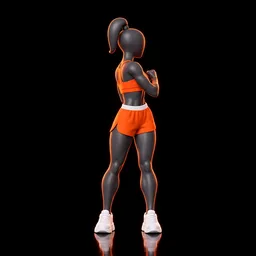
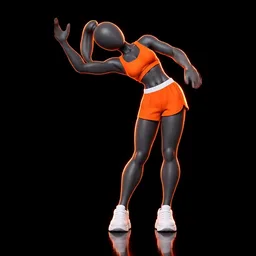
If mountain climbers feel too hard, or you want a lower-impact day, try these standing swaps:
- Shadow Boxing keeps your heart rate up without loading your wrists.
- Standing Torso Twists train your midsection from an upright position.
- Standing Side Bends are a gentle option for the sides of your core.
Similar moves for more variety
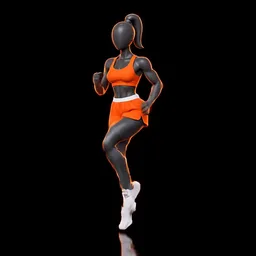
When you want a change of pace, Plank Jacks, High Knees and Skater Hops work in a similar way.
Sets and reps for beginners and more advanced people
Mountain climbers are timed, not counted. The standard set in the app is 30 seconds at intermediate level. Beginners get about a quarter less, and advanced people get about a third more.
As a starting point, try 2 to 3 sets and rest 30 to 60 seconds between them. Stop a set when your form breaks down, not when the timer says so.
- Beginner: Start with the shorter work time and a slower pace. Build up gradually.
- Intermediate: Use the standard time and keep a fast, steady pace.
- Advanced: Use the longer time, or add rounds, while keeping the hips level.
You will find this move in the Full-Body Burn, Abs on Fire and HIIT Inferno workouts: Full-Body Burn, Abs on Fire and HIIT Inferno.
If you want feedback on your form, the Homie Fit app has a live AI form check for this exercise. The camera counts reps and checks your form on the device, and no video or image leaves your phone.
Who should modify or skip it
The app swaps this move for a safer one when someone reports wrist problems. If your wrists hurt in a plank, choose one of the standing options above. Stop if you feel sharp pain, and speak to a health professional if it persists.
If you are new to exercise, build up with a few simpler core moves first. A good option is the Forearm Plank, which takes the pressure off your wrists.
What about mountaineering?
People also ask about the 2pm rule, types of climbing or the hardest mountain. Those are about real mountaineering. This page is about the exercise, which borrows the name because the leg motion looks like climbing.