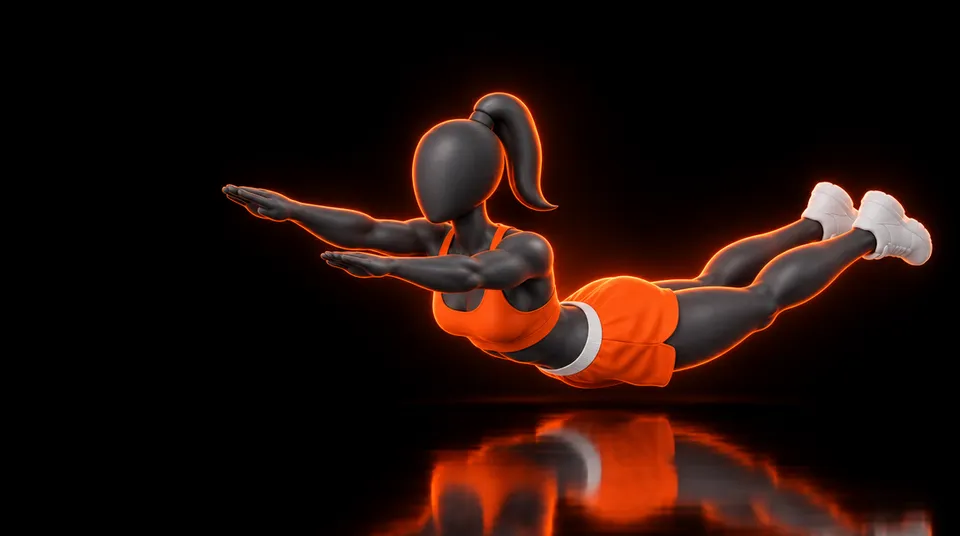

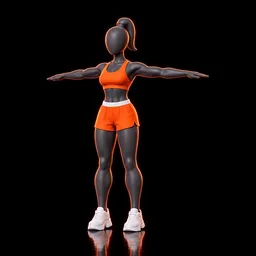
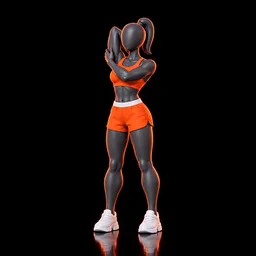
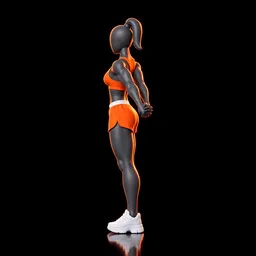
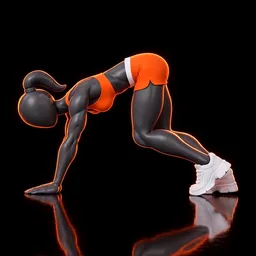

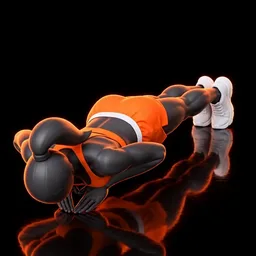
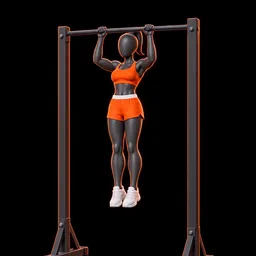
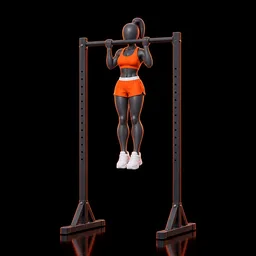
A calisthenics workout like this one uses your body weight to train your chest, shoulders, back and core. It takes 31 minutes at intermediate level, includes 13 different exercises across 4 rounds, and needs only a pull-up bar. Beginner and advanced versions are one tap away.
Who this workout is for
This is an Upper Body Power day for anyone who wants to build muscle at home with very little gear. It suits people who can already do a few push-ups, or who are happy to use the easier options in the circuit. If you are searching for calisthenics for beginners, start on the beginner level. It uses fewer reps, shorter work times and longer rests, so you can learn the moves without rushing.
The session burns about about 128 kcal for a person weighing 154 pounds (70 kg). Your number will differ with your body size and effort. For a personal estimate, try the Calories Burned Calculator for Home Workouts.
If you have an injury, check with a health professional before starting. Skip any move that causes sharp pain.
How to do the workout
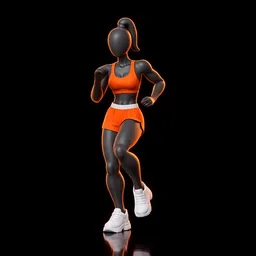
- Warm up. Do Step Jacks, then Jog in Place, then Arm Circles. Keep it easy and let your breathing rise gradually.
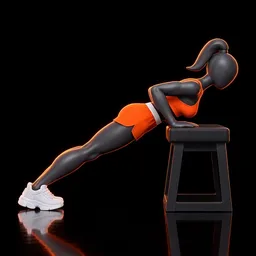
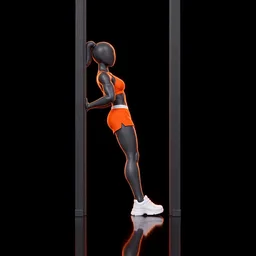
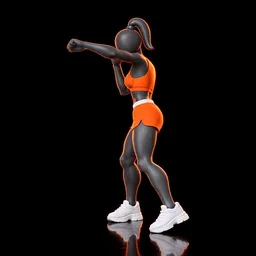
- Start round 1. Do each move in order: Push-Ups 10 reps, Negative Pull-Ups 5 reps, Knee Push-Ups 10 reps, Shadow Boxing 40 seconds, Plank Up-Downs 40 seconds, Pike Push-Ups 8 reps, Plank Shoulder Taps 40 seconds.
- Rest between moves. At intermediate level you rest 20 seconds after each move. Use that time to shake out your arms and breathe.
- Repeat for 4 rounds. Take a little longer rest between rounds. If form slips, take extra rest rather than rushing.
- Cool down. Finish with a Chest Opener, an Overhead Triceps Stretch and Downward Dog. Breathe slowly and hold each stretch without bouncing.
The exercises and what each one does
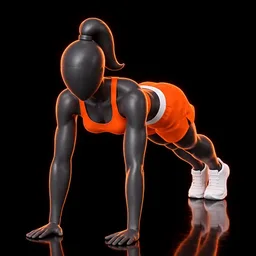
- Push-Ups train the chest, front shoulders and triceps, and your core holds your body in one line.
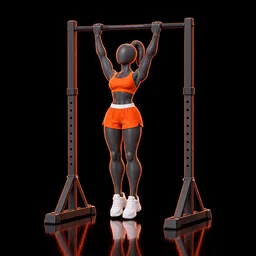
- Negative Pull-Ups build your back and biceps. You start at the top of the bar and lower yourself slowly, which builds pulling strength even if you cannot do a full pull-up yet.
- Knee Push-Ups let you keep working the pressing muscles when your full push-ups start to tire out.
- Shadow Boxing raises your heart rate and keeps your shoulders moving between strength moves.
- Plank Up-Downs move you between forearms and hands, working triceps, shoulders and core.
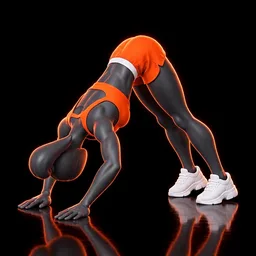
- Pike Push-Ups put your hips high so the shoulders do most of the pressing.
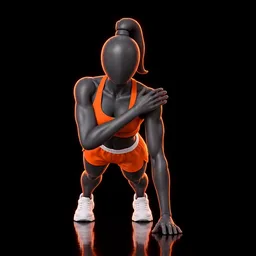
- Plank Shoulder Taps challenge your core to stay still while one hand lifts.
Want to give your back more attention on another day? Try the back workout at home.
Make it easier or harder
The level switch does most of the work for you. Beginner level lowers reps and work times and lengthens rests. Advanced does the opposite. The app also swaps moves that clash with injuries or missing equipment.
You can also adjust by hand:
- Easier: Do push-ups from your knees, lower slowly on negative pull-ups with a step to help you reach the bar, shorten the plank intervals, and rest longer.
- Harder: Add reps, slow down the lowering phase on negative pull-ups to about 3 to 5 seconds, shorten rests, or add a fifth round once four feel smooth.
If you are ready for the full version of the pulling move, work toward Pull-Ups.
How often to do it and how to progress
A good starting point is 2 to 3 sessions a week with at least one rest day between them. Your muscles grow while you recover, so rest is part of the plan.
Progress in small steps:
- Weeks 1 and 2: Learn the moves and finish all rounds with clean form.
- Weeks 3 and 4: Add a rep or two to push-ups and pike push-ups, or trim the rest a few seconds.
- After that: Move up a level or slow your lowering on negative pull-ups.
Change one thing at a time. If a session feels too easy, make it harder next time; if it felt too hard, repeat it.
Homie Fit can build a 4-week plan from a short setup and adjust it after your too easy or too hard feedback, which is handy if you want the progression laid out for you.
Can you build muscle with calisthenics alone?
Yes, for most people, especially at the start. Muscles respond to enough challenge, so you need to keep making moves harder over time, with more reps, slower lowering or harder variations. Eating enough protein and sleeping well also help. Calisthenics is a good fit for a calisthenics workout at home because the gear is minimal.
A short session can also be useful. Fifteen minutes of focused bodyweight work counts, though a 3-3-3 style gym rule or a fixed plan matters less than doing something you can repeat each week. The best calisthenics plan is one that matches your level, includes pushing and pulling, and lets you progress steadily.
Common mistakes
- Sagging hips in planks and push-ups. Squeeze your glutes and keep your ribs down so your body stays in one line.
- Dropping fast on negative pull-ups. The slow lowering is the point. Control it.
- Flaring elbows wide on push-ups. Keep them at roughly a 45 degree angle from your body.
- Rushing the warm-up. Cold shoulders do not enjoy sudden pressing.
- Skipping rest. Stay consistent, but give yourself recovery days.
- Chasing reps with sloppy form. Fewer clean reps beat more messy ones.
For extra form feedback on push-ups, Homie Fit has a live camera form check that counts reps and comments on depth and form. It runs on your device, so no video or image leaves your phone.