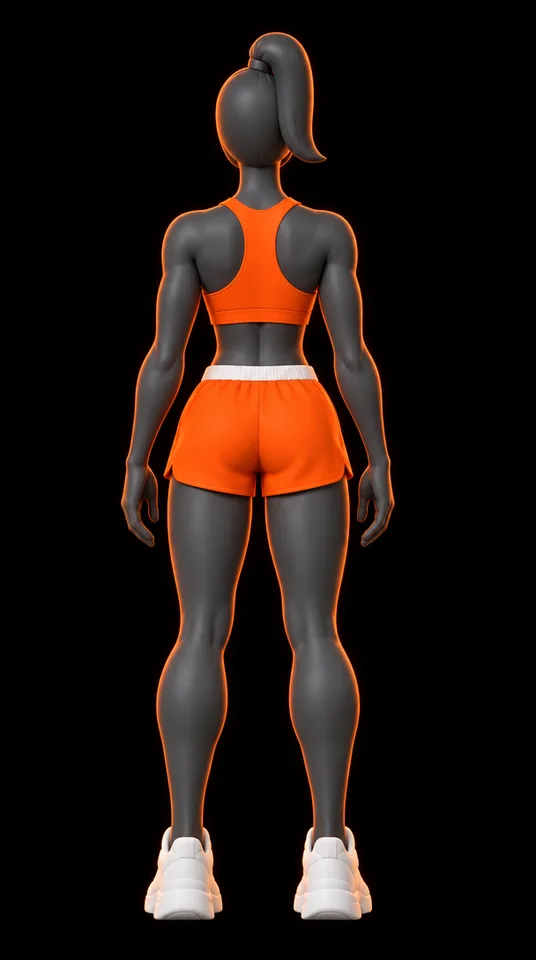
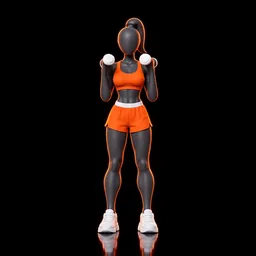
Hammer curls are a beginner-friendly dumbbell exercise where you curl the weights up with your palms facing each other. They train the muscles on the front of your upper arm and your forearms. They suit anyone who wants stronger arms and a better grip, and you only need a pair of dumbbells.
How to do hammer curls
The move is simple, but the details make it work. Pick dumbbells you can lift with control. A hammer curl is done standing, with both arms moving together.
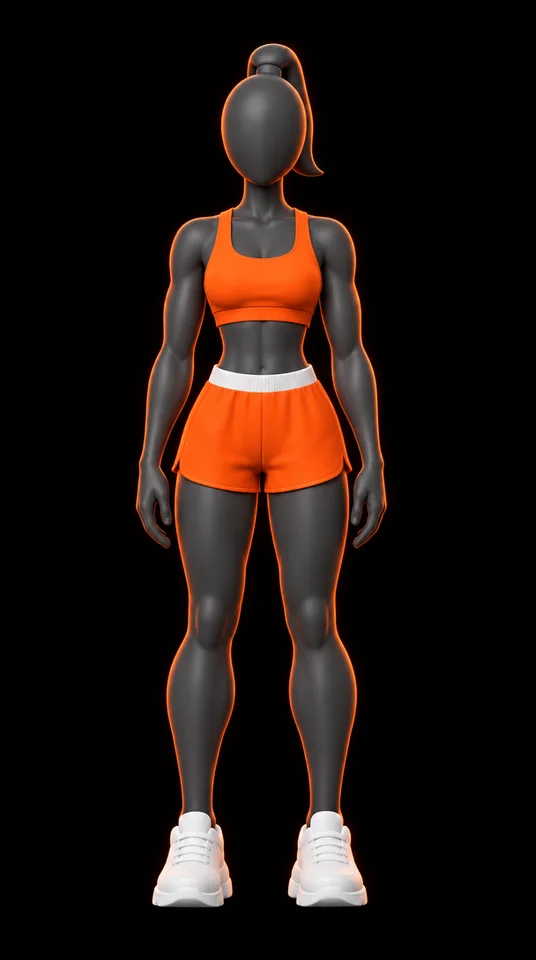
- Stand tall with your feet about hip-width apart, a dumbbell in each hand, arms hanging at your sides. Your palms face in toward your thighs, like you are holding two hammers.
- Pull your shoulders back and down, brace your belly lightly, and keep your knees soft rather than locked.
- Pin your elbows to your sides. They should stay there for the whole set.
- Curl both dumbbells up together without twisting your wrists. Your thumbs stay on top, and the neutral grip stays the same all the way up.
- Stop when your forearms are close to vertical and your hands are near your shoulders. Squeeze briefly.
- Lower slowly back to the start, taking about two to three seconds, until your arms are almost straight.
- Breathe out as you curl up and breathe in as you lower.
The app’s tip says it best: keep your elbows pinned to your sides. If you remember only one cue, make it that one.
There is no jumping and no floor work here. It is a calm, controlled strength move.
Muscles worked by hammer curls
The app lists this as an arm exercise, and the work is mainly in the arms.
- Biceps brachii: the well-known muscle on the front of your upper arm, which bends the elbow.
- Brachialis: a muscle that sits under the biceps and does a lot of the lifting when your palms face in.
- Brachioradialis: a forearm muscle along the thumb side, which is especially busy in a neutral grip.
- Grip and stabilizers: your hands, wrists and shoulders work to hold the weights steady.
Your core and legs also hold you upright, so you get a little standing stability work as well.
Which muscle do hammer curls work most?
The neutral grip shifts some of the effort toward the brachialis and forearm compared with a palms-up curl. The biceps still help a lot.
Hammer curl vs. biceps curl
Neither one is simply better. A regular dumbbell biceps curl turns your palms up and emphasizes the biceps. Hammer curls use a neutral grip and spread the work across the biceps, brachialis and forearm. Many people use both in the same arm session.
Can hammer curls grow your biceps?
They can help build arm strength and size when you train regularly, add load gradually, eat and sleep well, and keep good form. Results vary from person to person, and no exercise targets just one spot for fat loss.
Common mistakes and how to fix them
Swinging the body
Leaning back and using momentum takes the work away from your arms. Lower the weight, stand tall, and squeeze your glutes lightly. Slow down.
Elbows drifting forward
When elbows float ahead of your torso, your shoulders start helping. Think about keeping them pinned to your sides, as in the app’s tip. Imagine holding a folded towel under each arm.
Twisting the wrists
Turning the palms up as you lift turns the move into a regular curl. Keep your thumbs on top and your wrists straight from start to finish.
Dropping the weights quickly
The lowering phase builds strength too. Take about two to three seconds on the way down.
Going too heavy
If your body has to jerk to lift the weights, they are too heavy. Choose a weight that lets you finish the last rep with good form.
Shrugging the shoulders
Creeping shoulders up toward your ears adds tension in the wrong place. Keep your shoulders relaxed and down.
Easier and harder variations
Hammer curls are rated beginner in the app, so there is no easier swap listed. To make it easier, simply use lighter dumbbells or do fewer reps.
When you are ready for more, the app suggests these harder options:
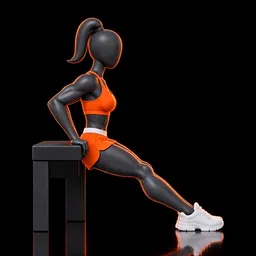
- Triceps Dips: works the back of the arm and pairs well with curls for balanced arms.
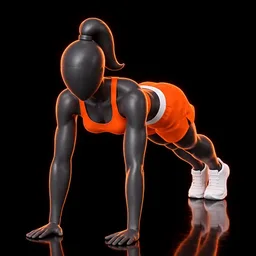
- Plank Up-Downs: moves you into a more demanding bodyweight exercise for arms, shoulders and core.
Similar moves worth trying for variety are Band Biceps Curls if you have a resistance band, and Overhead Triceps Extensions to train the opposite side of your upper arm.
Sets and reps for beginners and advanced lifters
The app’s standard set at intermediate level is 12 reps. Beginners do about a quarter less, and advanced lifters about a third more.
Here is a simple way to start:
- Beginners: about a quarter fewer than 12 reps per set, 2 sets, resting 30 to 60 seconds between sets.
- Intermediate: 12 reps per set, 2 to 3 sets.
- Advanced: about a third more than 12 reps, 3 sets, or increase the dumbbell weight a little.
Treat these as a starting point. Train arms two to three days a week with a rest day between, and add reps before you add weight.
For calories, 10 minutes of hammer curls work out to about 43 kcal for a 70 kg (154 lb) person, based on a MET of 3.5. You can estimate your own with the Calories Burned Calculator for Home Workouts.
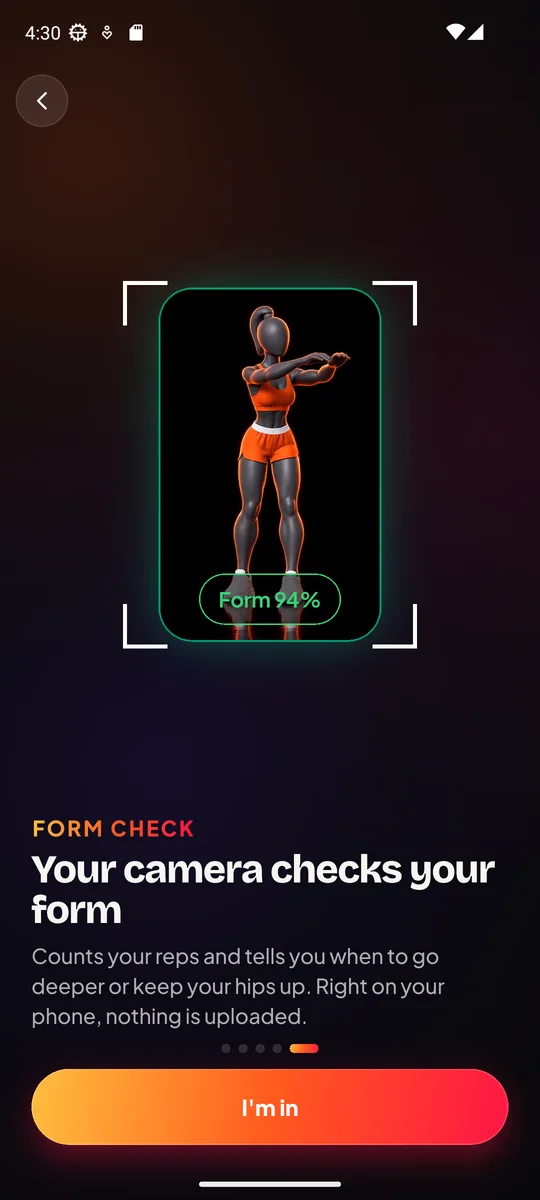
If you want feedback while you train, the Homie Fit app has a live AI form check for this exercise. It counts reps and checks your form through the phone camera, and it runs on the device, so no video leaves your phone.
Who should modify or skip hammer curls
The app has no limitation flags for this move. It is done standing, on both arms at once, with no jumping, so it is gentle for most people.
Still, listen to your body. Use lighter weights if your wrists or elbows feel sore. If you feel sharp pain, stop and speak with a healthcare professional before continuing. If standing is hard, you can adapt it yourself by sitting on a sturdy chair, keeping the same neutral grip and pinned elbows.
Where to go next
Add hammer curls to an arm workout at home or a dumbbell arm workout, or fold them into an upper body workout at home.