
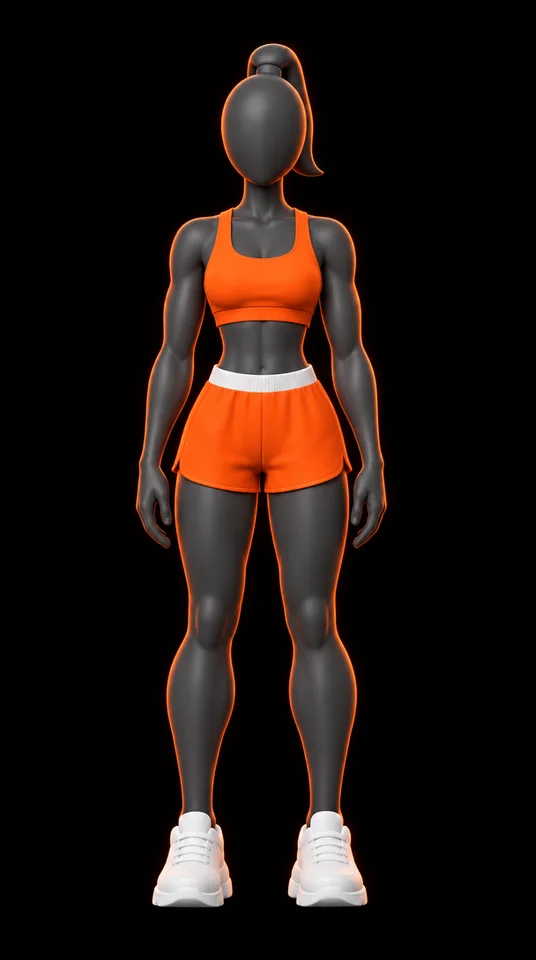
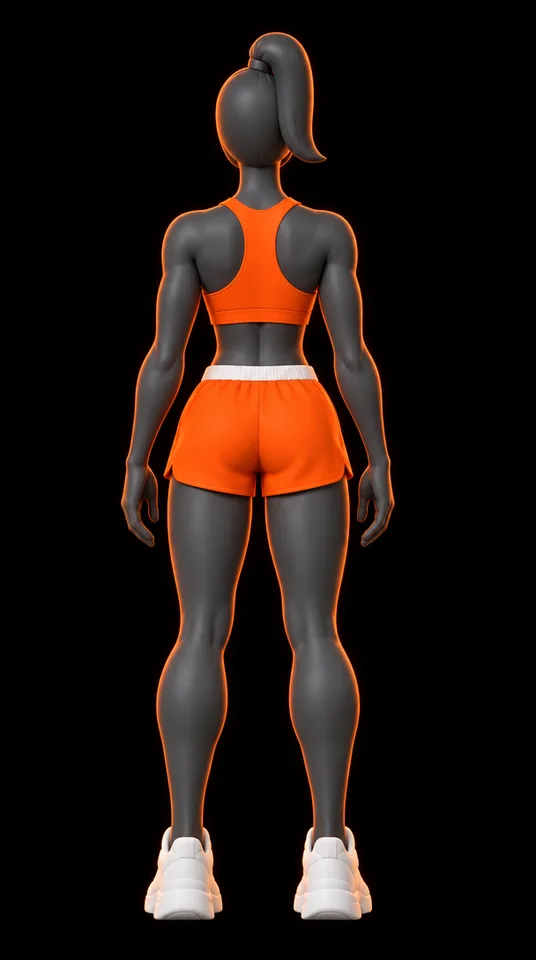

The hip flexor stretch in its kneeling form is a gentle mobility move that lengthens the muscles at the front of the hip on your back leg. It works the legs and hip mobility, needs no equipment and is easy to learn. It suits beginners, desk workers, and anyone who wants to loosen up before or after a workout.
How to do the kneeling hip flexor stretch
This is a slow, calm move. Find a soft surface such as a folded towel or a mat under your knee.
- Kneel on one knee with the other foot flat on the floor in front of you. Your front knee should sit roughly over your ankle, with the back knee under your hip.
- Stand tall through your chest. Tuck your tailbone slightly under, as if you were gently zipping up a pair of snug pants.
- Squeeze the glute of your back leg. This is the app’s key tip, and it is what makes the stretch land at the front of the hip instead of in your lower back.
- Shift your hips gently forward until you feel a stretch at the front of the rear hip. The movement is small, often just an inch or two (a few centimeters).
- Reach the arm on the same side as your back knee up overhead. If it feels good, lean very slightly away from that side.
- Hold, breathing slowly. Aim for steady, easy breaths rather than pushing harder.
- Ease back, then switch sides. The numbers are per side, so do both.
The stretch should feel like a pull or lengthening, never a pinch or sharp pain. Mild discomfort is fine. Sharp or joint pain is a signal to back off.
Muscles worked
This is a stretch, so the main target is the group of muscles on the front of the hip, including the hip flexors, on the side of the back leg. The front of the thigh often feels some stretch too.
Some muscles work quietly to hold the position:
- Glutes of the back leg, because you squeeze them to set the pelvis.
- Abdominals, which help keep your ribs stacked over your hips so your back does not sag.
- Front leg muscles, which support your balance.
It counts as a legs and mobility exercise. Stretching one area does not burn fat from that area, so think of this move as a way to feel looser and move better, not as a way to change your body.
For energy use, the app estimates about 18 kcal in 10 minutes of work for a 70 kg (154 lb) person (MET 1.5). It is a light activity.
What tight hip flexors can feel like
People often notice a pulling feeling at the front of the hip, a short stride when walking, or a stiff feeling when standing up after sitting for a long time. Your lower back may also feel like it arches when you stand. These feelings have many possible causes, so treat them as a reason to move more, not as a diagnosis.
If you want to loosen up a very tight area, use gentle, regular, comfortable holds instead of one hard session. Forcing a stretch usually makes the body guard against it.
Common mistakes and how to fix them
Arching the lower back
This is the most common error. You lean back and the stretch moves from your hip into your spine. Fix it by tucking your tailbone, squeezing the back glute and bringing your ribs down over your hips. Then shift forward only as far as you can keep that position.
Lunging too far forward
A big forward push makes the front knee travel past the toes and loads the knee. Keep the move small. The stretch comes from the hips shifting forward, not from a deep lunge.
Rushing or bouncing
Bouncing makes muscles tense up. Move in slowly, hold quietly and ease out. The tempo should feel slow and calm.
Holding your breath
Breathing out slowly as you settle in often lets you go a little deeper without forcing. If you catch yourself holding your breath, back off a touch.
Feeling it in the knee
If the kneeling knee hurts, add padding such as a folded towel or cushion. If it still hurts, use an easier option or skip the move, as covered below.
Skipping the glute squeeze
Without it, the pelvis tips forward and the stretch fades. Squeeze first, then shift.
Easier and harder variations
The app offers harder options when this move feels too easy.
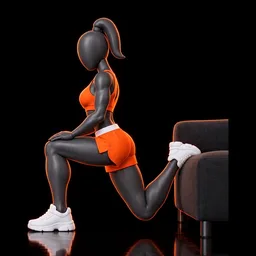
- Harder: Couch Stretch takes the back leg up and deepens the stretch through the front of the thigh and hip.
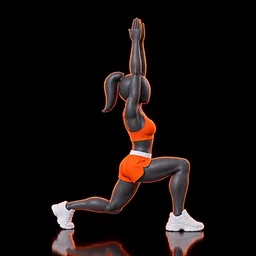
- Harder: Crescent Lunge keeps you on your feet and adds leg strength and balance to the stretch.
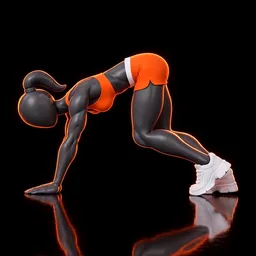
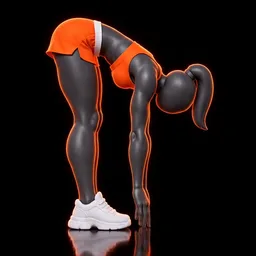
If you want something similar, try the Standing Quad Stretch, Downward Dog or Standing Forward Fold.
To get your hips ready before a session, you can also pair this stretch with Hip Circles or World’s Greatest Stretch.
Sets and reps for beginners and more advanced people
The app’s standard set is 30 seconds per side per side at intermediate level. Beginners get about a quarter less, and advanced people about a third more.
| Level | How long per side |
|---|---|
| Beginner | About a quarter less than 30 seconds per side |
| Intermediate | 30 seconds per side |
| Advanced | About a third more than 30 seconds per side |
A reasonable starting point is 2 or 3 rounds per side, with 30 to 60 seconds of easy movement or rest between them. You can do it after a workout, after a long stretch of sitting, or on rest days. Gentle daily practice usually works better than one long, forceful session.
If you are walking more or doing leg workouts, this stretch is a good companion. Walking itself is a gentle way to move the hips through their range, and many people find it loosens things up a bit, but it does not replace stretching or strength work if you feel stiff.
When you want to keep track of a stretching habit, the 30-day challenges in Homie Fit give you one target per day with a rest day every 7th day. The plan can also skip exercises that do not fit your injuries.
Who should modify or skip it
The app swaps this move for a safer one when someone reports sensitive knees. Kneeling puts direct pressure on the knee, so if your knees are sensitive, pad the floor well or choose a different hip stretch, such as one done standing.
The move is done standing or without lying on the floor in the app’s version, and there is no jumping involved. Take extra care and stop if you feel sharp pain in the hip, groin, back or knee, or if you feel pins and needles. If you have a recent injury or ongoing pain, check with a doctor or physical therapist before stretching it.
Note that the AI form check is not available for this exercise, so use a mirror or a quick side view to check that your back stays long and your ribs stay down.
Putting it together
Keep it simple: kneel, tuck, squeeze, shift a little and breathe. Done on both sides and with patience, the kneeling hip flexor stretch is a low-effort addition to any home routine. Strength moves like Reverse Lunges pair well with it, since the stretch can help you feel looser afterward.