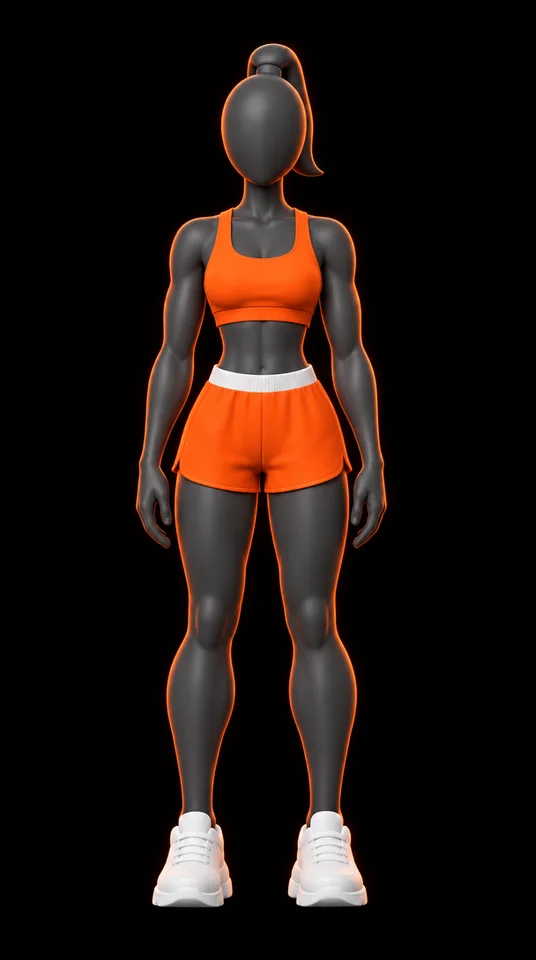
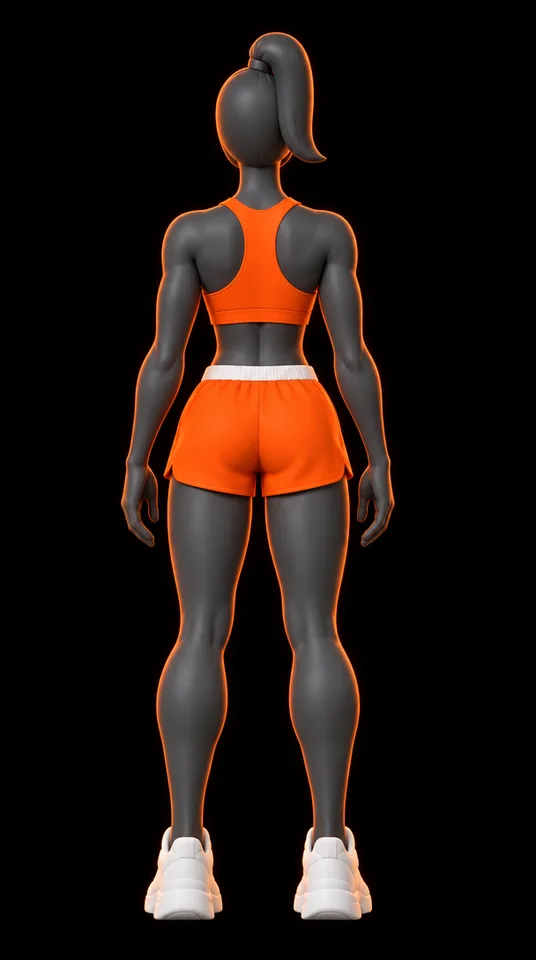
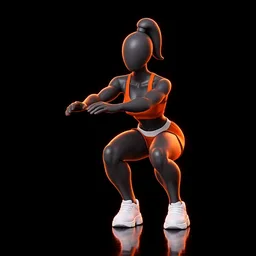
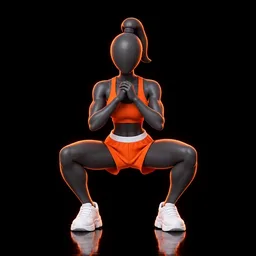
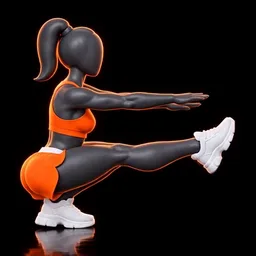
The goblet squat is a squat where you hold one dumbbell against your chest. It trains your legs and glutes, and the weight in front helps you keep your torso upright. It suits beginners learning to squat deep and intermediate home exercisers who own a single dumbbell.
How to do a goblet squat
The app lists this as an intermediate strength move that needs dumbbells. You work both legs at once, stay on your feet, and there is no jumping. Here is the full movement in detail.
- Pick your weight. Start with a dumbbell you can hold comfortably for a full set. Light is fine while you learn the pattern.
- Hold the dumbbell vertically against your chest. Cup the top end with both hands, like holding a goblet. Keep your elbows pointing down and close to your ribs.
- Set your stance. Stand with your feet about shoulder-width apart, toes turned out a little. Stand tall, chest proud, eyes forward.
- Brace. Take a breath in and gently tighten your midsection, as if preparing for a light poke in the stomach.
- Squat down between your knees. Push your hips back and bend your knees at the same time. Let your knees track in line with your toes while you sink straight down.
- Go deep. Lower until your thighs are parallel to the floor, keeping the torso upright and the dumbbell resting at your chest the whole time.
- Keep your elbows inside your knees at the bottom. This is the app’s tip. Your elbows can lightly touch the inside of your knees, which helps you stay open and upright.
- Drive up through your heels. Press the floor away, keep the weight at your chest, and stand all the way up. Squeeze your glutes at the top.
Move with control. Two slow, steady reps are a great way to check your form before you add speed or more reps.
Muscles worked
The goblet squat is mainly a leg exercise. Here is what is doing the work:
- Quadriceps (front of the thighs): they straighten your knees as you stand up.
- Glutes: they extend your hips, especially as you rise from the bottom.
- Hamstrings and inner thighs: they help control the descent and keep you steady.
- Core and upper back: they hold the torso tall against the weight in front of you.
No single exercise burns fat from one body area, so think of this move as a way to build leg strength and practice a solid squat pattern.
Goblet squat vs. regular squat
A regular squat is done with bodyweight, or with a bar on the back. In a goblet squat the weight sits in front of you, which acts like a counterbalance. Many people find it easier to sit deep and stay upright this way. If you want to practice the pattern without a weight first, try Squats.
Common mistakes and how to fix them
Leaning forward
If your chest drops and the dumbbell drifts away from you, the weight may be too heavy or your ankles may feel tight. Pull the dumbbell snug to your chest, lift your chin slightly, and use a lighter weight.
Knees caving in
When your knees collapse inward, think about pushing them out toward your pinky toes. Your elbows inside your knees at the bottom can cue this: aim to gently press your knees against your elbows.
Stopping too high
The demo shows a deep squat, with thighs parallel to the floor. If you cannot get there yet, go as low as you can with good form and build depth over time.
Heels lifting
If your heels come off the floor, widen your stance a bit, turn your toes out slightly, and shift your weight toward your midfoot and heels. Driving up through your heels is part of the movement.
Letting the dumbbell sag
If it drops away from your chest, your arms and upper back are not holding it. Keep your elbows down and the weight tucked in tight.
Rushing the rep
Bouncing out of the bottom takes the work away from your muscles. Lower with control, pause for a beat if you like, then stand up smoothly.
Easier and harder variations
Easier options
- Squats: the same pattern with no weight, ideal for learning depth and balance.
- Sumo Squats: a wider stance that many people find comfortable and stable.
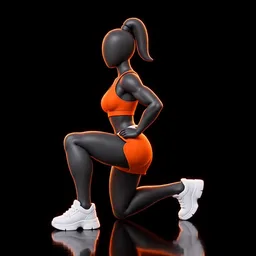
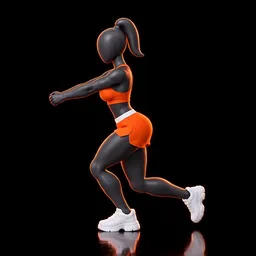
- Reverse Lunges: a step-back option if you want to work one leg at a time with more support.
Harder option
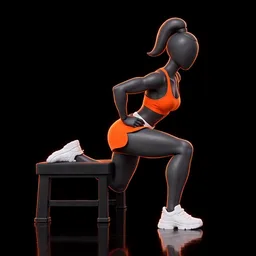
- Bulgarian Split Squats: a single-leg squat with your back foot raised, which challenges balance and strength much more.
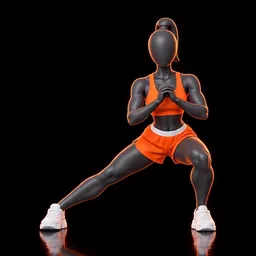
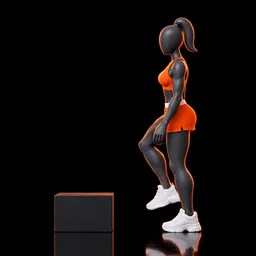
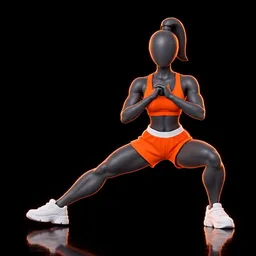
If you want similar moves to rotate in, try Side Lunges, Step-Ups, or the Cossack Squat.
Sets and reps
The app’s standard set at intermediate level is 12 reps. Beginners get about a quarter less than that, and advanced exercisers about a third more.
- Beginners: start with about a quarter fewer than the standard, using a light dumbbell. Two or three sets with 60 to 90 seconds of rest is a reasonable starting point.
- Intermediate: work toward the standard of 12 reps for two to three sets, resting 30 to 60 seconds between sets.
- Advanced: aim for about a third more than the standard, or use a heavier dumbbell while keeping the depth and upright torso.
If the last reps get sloppy, stop the set there. Add reps or weight only when your form stays steady from the first rep to the last.
For calories, the app estimates about 67 kcal in 10 minutes of work for a 70 kg (154 lb) person, using a MET of 5.5. Your own number will differ with your size and effort.
Can I do squats every day?
Some people try 100 squats a day for 30 days. Muscles need recovery, so it is better to progress gradually. If you like daily structure, a 30-day squat challenge in the Homie Fit app gives you one target per day with a rest day every 7th day.
Who should modify or skip it
The app has no limitation flags for this move, so it works for most people who are cleared to exercise. Still, listen to your body:
- If a squat causes sharp pain in your knees, hips, or back, stop and choose an easier option such as Squats to a comfortable depth.
- If balance is a concern, hold onto a sturdy surface with one hand and use a lighter weight, or start with bodyweight.
- If you have a health condition or injury, check with a qualified professional before adding load.
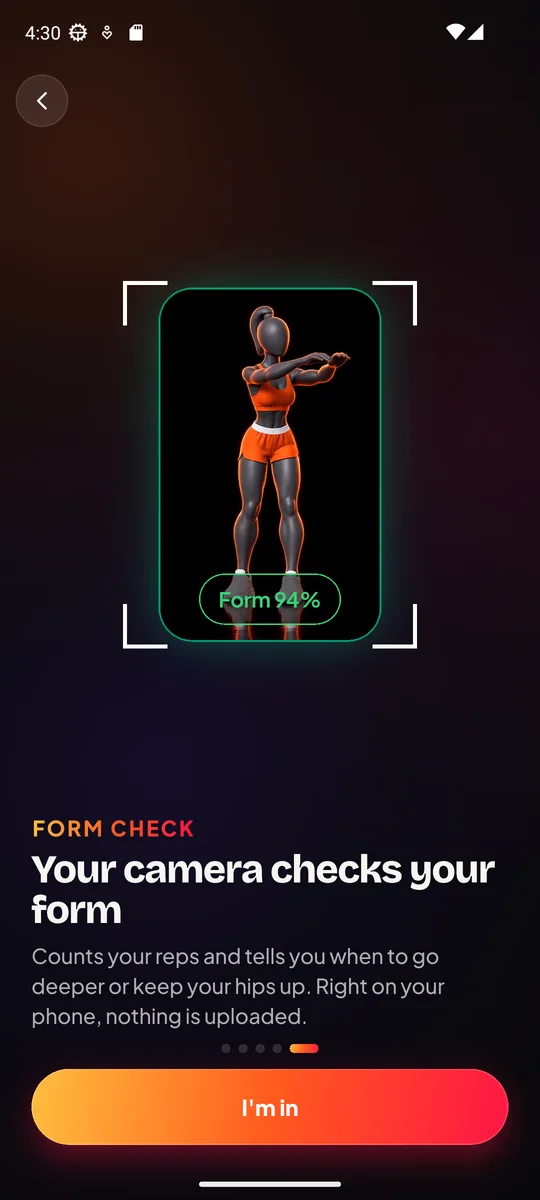
Want feedback on your depth? The live AI form check in the Homie Fit app can count your reps and check your form for this exercise. It runs on the device, so no video or image leaves your phone.